 MS Metal Supplies Sdn Bhd
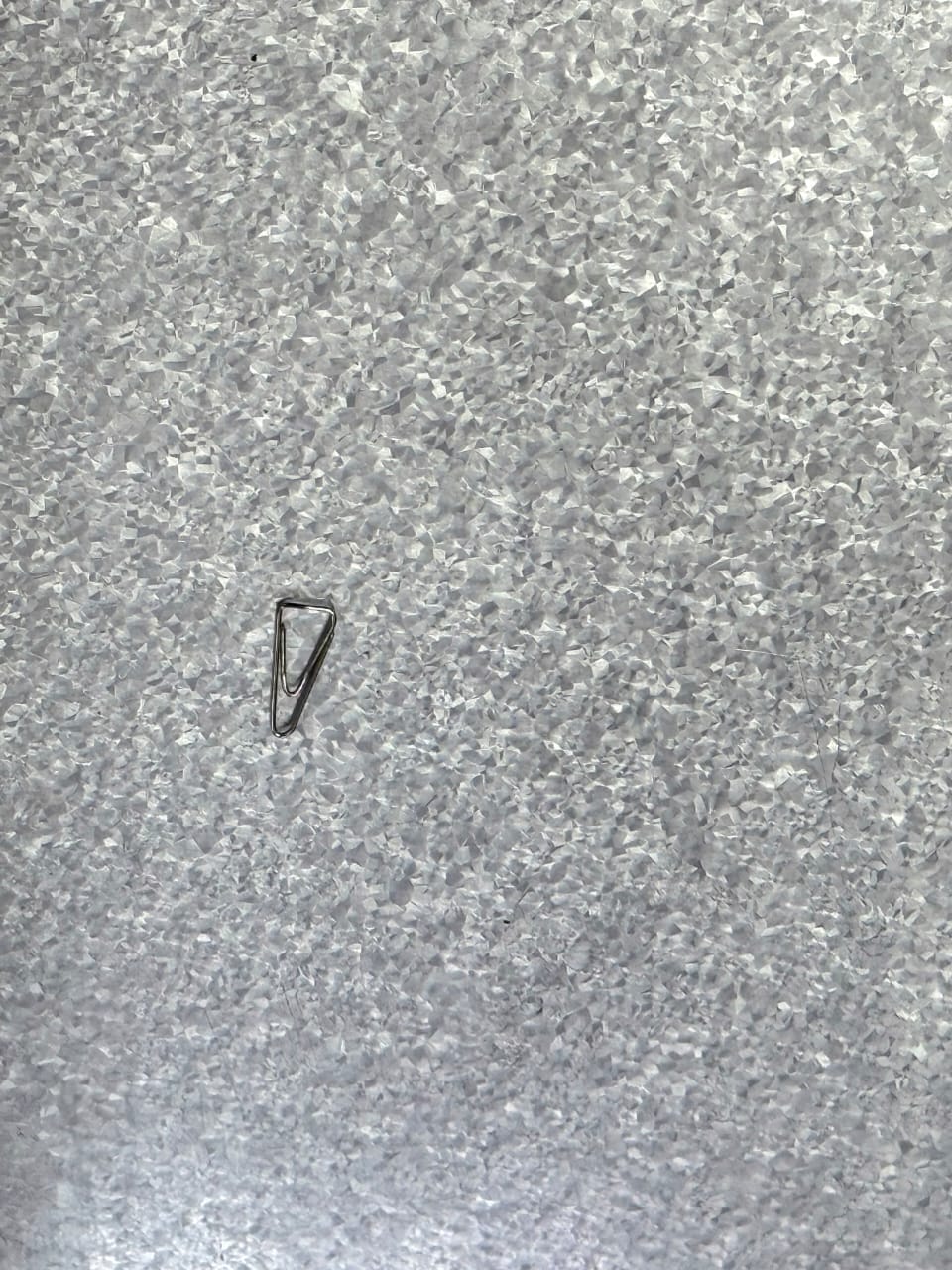
AZ Surface
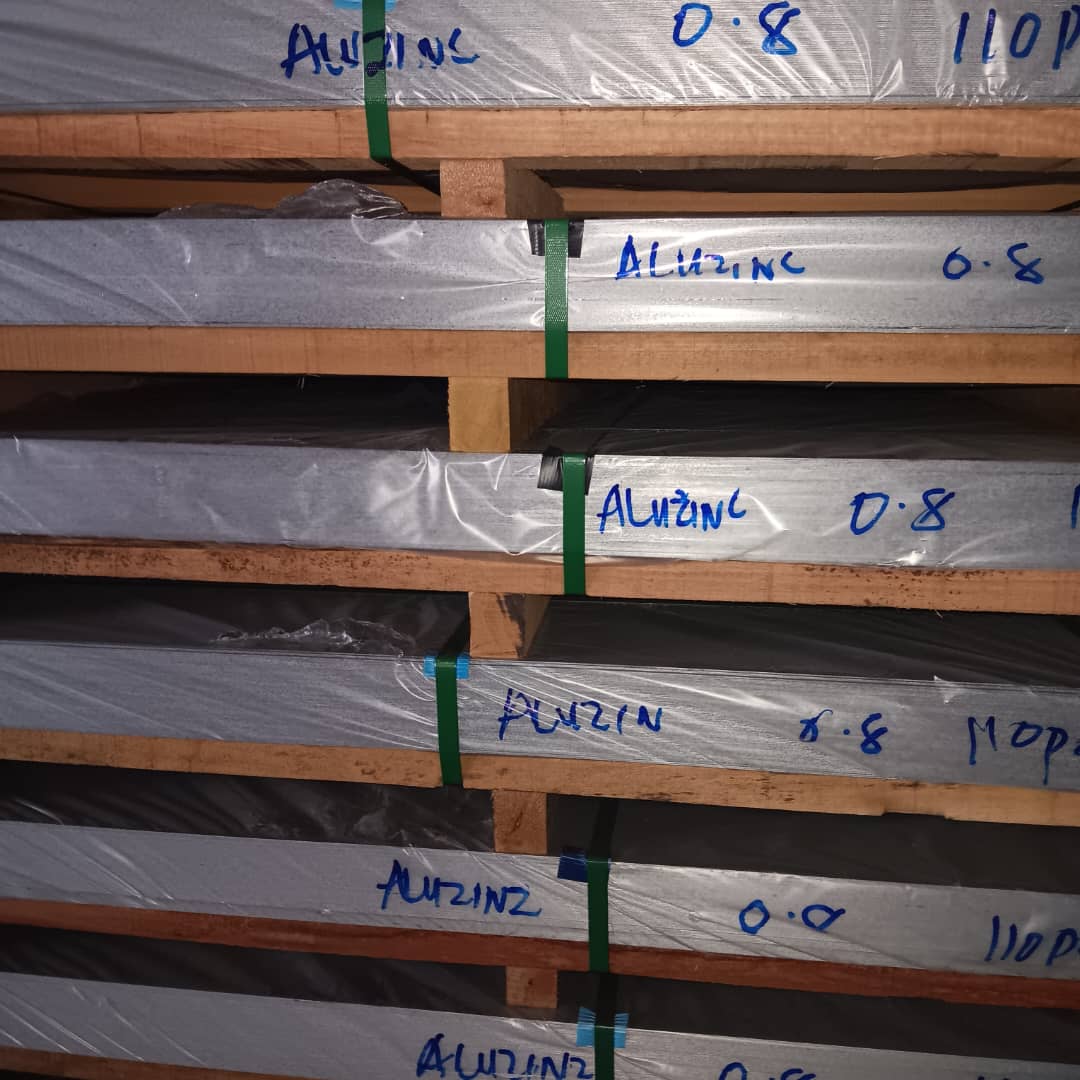
AZ Sheets
Aluzinc steel also commonly known as Galvalume is a cold-rolled steel substrate coated with a metallic layer consisting of approximately 55% aluminum, 43.4% zinc, and 1.6% silicon. This coating formulation gives Aluzinc a unique balance of corrosion resistance, heat reflectivity, and surface durability. The aluminum provides long-term barrier protection, while the zinc offers sacrificial protection along cut edges and scratches. The silicon component enhances the adhesion and uniformity of the coating during production.
The combination of metals produces a distinctive spangled appearance, with a smooth and bright surface that is often used directly in visible applications. Because it is both lightweight and significantly more corrosion-resistant than traditional galvanized steel, Aluzinc has become a preferred material for roofing, cladding, and various exterior construction products in tropical climates like Malaysia.
The manufacturing process begins with cold rolled steel coil, which undergoes cleaning and heat preparation before being immersed in a molten bath containing an aluminum-zinc-silicon alloy. The bath is tightly controlled at temperatures around 600°C to maintain the precise chemical balance. As the steel exits the bath, air knives regulate the final coating thickness, and the sheet then solidifies to form a durable metallurgical bond.
During solidification, aluminum forms a continuous barrier layer on the surface, while zinc becomes trapped within the structure, creating small pockets of sacrificial protection. This combination ensures long-term corrosion resistance even in aggressive environments, including coastal regions and high-humidity climates.
Corrosion Performance & Protection Mechanism
Aluzinc steel provides significantly better corrosion resistance than standard galvanized steel, often lasting 2 to 4 times longer depending on the environment. Aluminum in the coating protects the steel by forming a stable oxide layer that slows corrosion dramatically. Meanwhile, the zinc component continues to offer sacrificial protection, particularly at exposed cut edges.
Aluzinc benefits from a hybrid mechanism: a long-lasting aluminum barrier and a backup zinc reaction layer. This makes it especially suitable for outdoor applications subjected to regular weather exposure or heat cycles.
Common Applications
Common applications include roofing sheets, wall cladding, decking sheets, gutters, downpipes, electrical cabinets, home appliances, and certain automotive components. Industries value Aluzinc for its combination of strength, durability, and clean aesthetic appearance. Its lightweight nature can also reduce structural loads in large roof installations.
The high reflectivity of the coating also improves thermal efficiency, making Aluzinc roof sheets a popular choice in buildings aiming for lower heat absorption. Many color-coated coils (PPGI/PPGL) also use Aluzinc as the base metal due to its excellent surface stability.
Limitations
While Aluzinc excels in most atmospheric environments, it is not ideal for strong chemical exposure, animal waste environments, or direct contact with wet cement. The aluminum-rich coating may also be less effective for situations requiring highly active sacrificial behavior compared to pure GI.